Teaching sustainable behaviors and awareness in energy efficiency, natural gas conservation and more.
Spreading awareness, sparkingexcitement and making connections for the future STEM workforce.
Providing education and outreach on topics that strengthen communities, including electrical safety, emergency preparedness, fire prevention, transportation safety and more.
Featuring programs of beneficial electrification, solar energy, and renewable resources to support clean energy initiatives.
Promoting water’s importance and geo-specific water stories while supporting water stewardship, conservation and more.
Supporting healthier communities with programs that investigate dental health, mental health, nutrition, fitness, digital wellbeing and positive classroom culture.
Delivering high-quality lessons, rooted in FDIC’s Money Smart curriculum, to help improve students’ financial outcomes as adults and improve financial illiteracy in families.
Educating communities to adopt environmentally wise behaviors and support initiatives in recycling, zero waste, pollution prevention, sustainability and more.
Don’t see your topic? Let’s build your program from scratch, starting here.
Teaching sustainable behaviors and awareness in energy efficiency, natural gas conservation and more.
Spreading awareness, sparkingexcitement and making connections for the future STEM workforce.
Providing education and outreach on topics that strengthen communities, including electrical safety, emergency preparedness, fire prevention, transportation safety and more.
Featuring programs of beneficial electrification, solar energy, and renewable resources to support clean energy initiatives.
Promoting water’s importance and geo-specific water stories while supporting water stewardship, conservation and more.
Supporting healthier communities with programs that investigate dental health, mental health, nutrition, fitness, digital wellbeing and positive classroom culture.
Delivering high-quality lessons, rooted in FDIC’s Money Smart curriculum, to help improve students’ financial outcomes as adults and improve financial illiteracy in families.
Educating communities to adopt environmentally wise behaviors and support initiatives in recycling, zero waste, pollution prevention, sustainability and more.
Don’t see your topic? Let’s build your program from scratch, starting here.
Evidence-based and age-appropriate structure for opioid awareness and misuse prevention education
Proven, data-driven school outreach methods
FLIP THE 'SCRIPT
A K-12 opioid misuse awareness and prevention educational program
FLIP THE ‘SCRIPT integrates social emotional learning with arts-integrated, story-based learning techniques to teach K-12 students about:
Opioid awareness
Harm reduction
Opioid misuse prevention
Using an evidence-based and age-appropriate structure for each grade band, Flip the ‘Script supports students in developing healthy life skills and social emotional well-being as a foundation for opioid misuse prevention and harm reduction education. The educational program for each grade band is designed to be engaging and effective for students’ development levels.
Flip the ‘Script is a cost-effective way for communities to use opioid settlement money to invest in helping young people develop long-term resiliency skills. The benefit goes beyond the initialprogram investment by further seeding more resilient communities.
What does Flip the 'Script look like for each grade band?
HIGH SCHOOL Focus
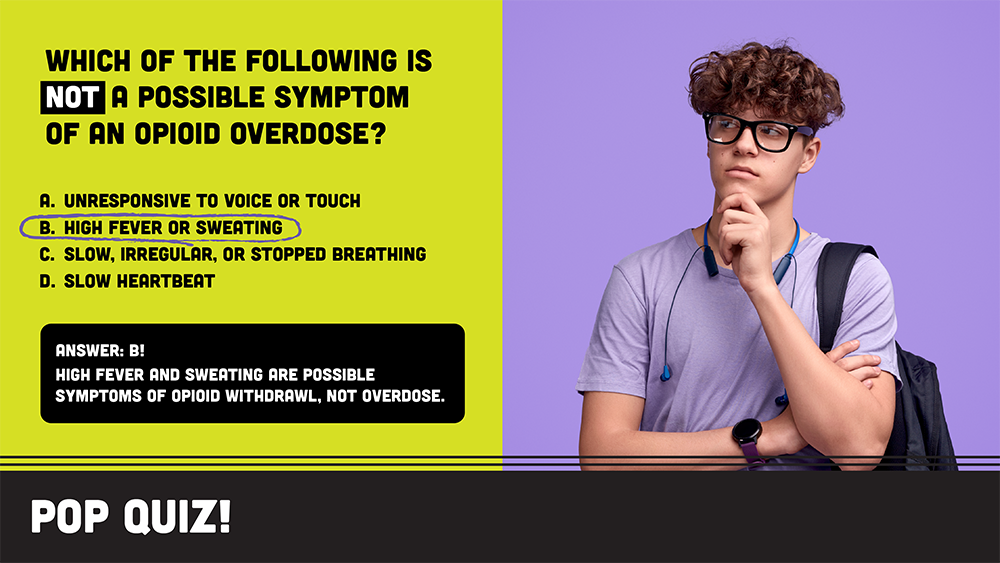
At the high school level, students are engaged in a series of 15 learning modules that include real-world interviews and conversations, informational videos, animation, scaffolded digital lessons, quizzes, and reflection questions.
The learning modules are tied to a creative essay scholarship contest, designed for students to personally connect with the learning material and demonstrate that connection through creative ownership.
The high school program is structured as a classroom experience, accessed individually and covering five main topics with three learning modules under each topic.
Main Topic: What opioids are and how they affect the brain
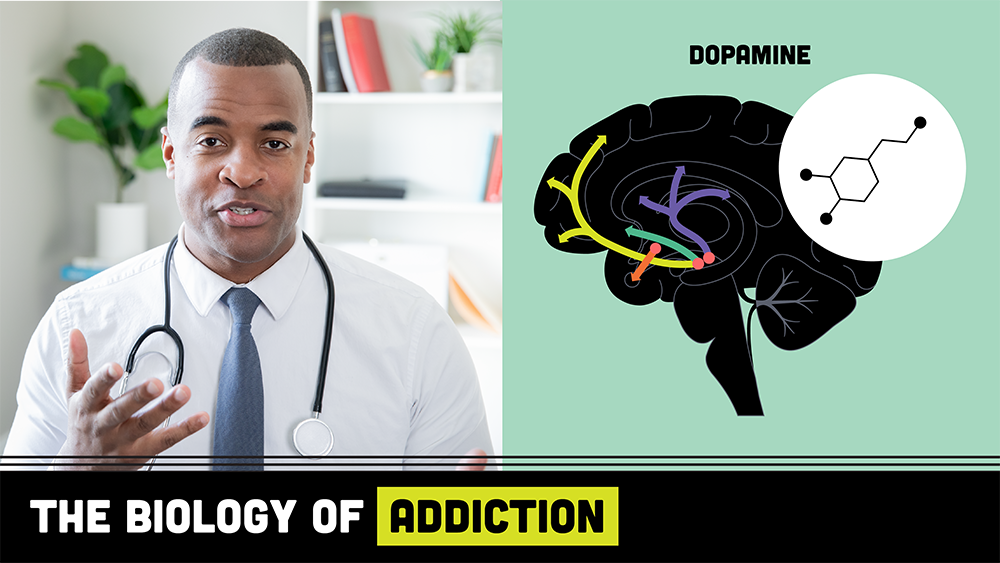
Module #1: The biology of addiction
Module #2: Types of opioids
Module #3: The danger of fentanyl
Main Topic: Risks of misuse and the path to addiction
Module #4: Sources of opioids
Module #5: Progression to illicit use
Module #6: Individual risk factors
Main Topic: Recognizing and responding to an opioid overdose
Module #7: Overdose symptoms
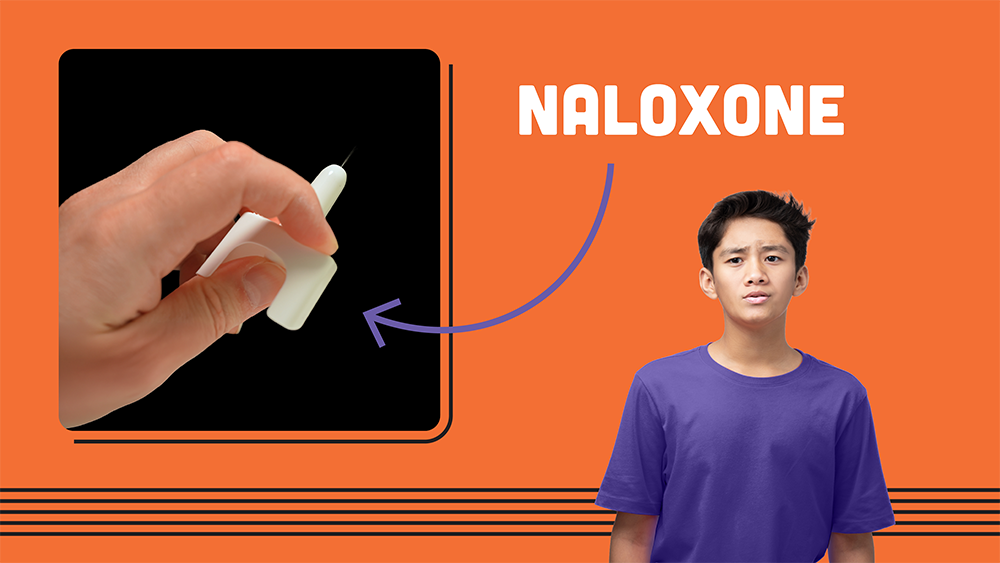
Module #8: The role of naloxone
Module #9: The necessity of calling 911
Main Topic: Strategies for prevention and healthy coping
Module #10: Decision-making skills
Module #11: Safe storage and disposal
Module #12: Healthy stress management
Main Topic: Accessing resources and getting help
Module #13: Building healthy support systems
Module #14: The importance of honest communication
Module #15: Using personal stories effectively
The high school program platform can be tied to further learning and community resources, reinforcing students’ ability to make informed decisions and support peers in their communities. This is also an opportunity to use opioid settlement money to open a clear channel for young people to access community resources and help build long-term resiliency skills.
MIDDLE SCHOOL Focus
At the middle school level, students participate in a shared classroom experience that leverages social norming to engage with a series of 18 learning modules that include story-based videos, digital lessons, quizzes, and reflection questions.
The modules are scaffolded to create a strong foundation for building life skills and healthy socio-emotional development for this age group. From the evidence-based understanding that building these life skills in middle school helps students form stronger resiliency behaviors, Flip the ‘Script can help prevent opioid misuse and harm long-term.
The middle school program is similarly structured as the high school program, covering six main topics and with three learning modules under each topic.
Main Topic: Identity, values and the developing brain
Module #1: Self-awareness and personal values
Module #2: Healthy self-expression and social norms
Module #3: Adolescent brain development and vulnerability
Main Topic: Emotions, stress and coping toolbox
Module #4: Emotional regulation and naming feelings
Module #5: Unhealthy coping and why substances seem appealing
Module #6: Healthy alternatives and coping strategies for stress and pain
Main Topic: Definition and medical purpose of opioids and the risks of misuse
Module #7: Defining medical purposes for opioids
Module #8: Fentanyl and what it does to the brain
Module #9: Risks of misuse for adolescents and adults
Main Topic: Social skills and healthy communication
Module #10: Peer pressure and accurate social mapping
Module #11: Modeling healthy communication
Module #12: Perspectives on real world scenarios
Main Topic: Risks of addiction and overdose
Module #13: Addiction as disease and breaking the stigma of addiction
Module #14: How to recognize addiction
Module #15: Recognizing and responding to an overdose
Main Topic: How to help and seek help
Module #16: Seeking help and using available resources
Module #17: How to help support a friend in need
Module #18: How to continue to build connection and resiliency skills
ELEMENTARY SCHOOL Focus
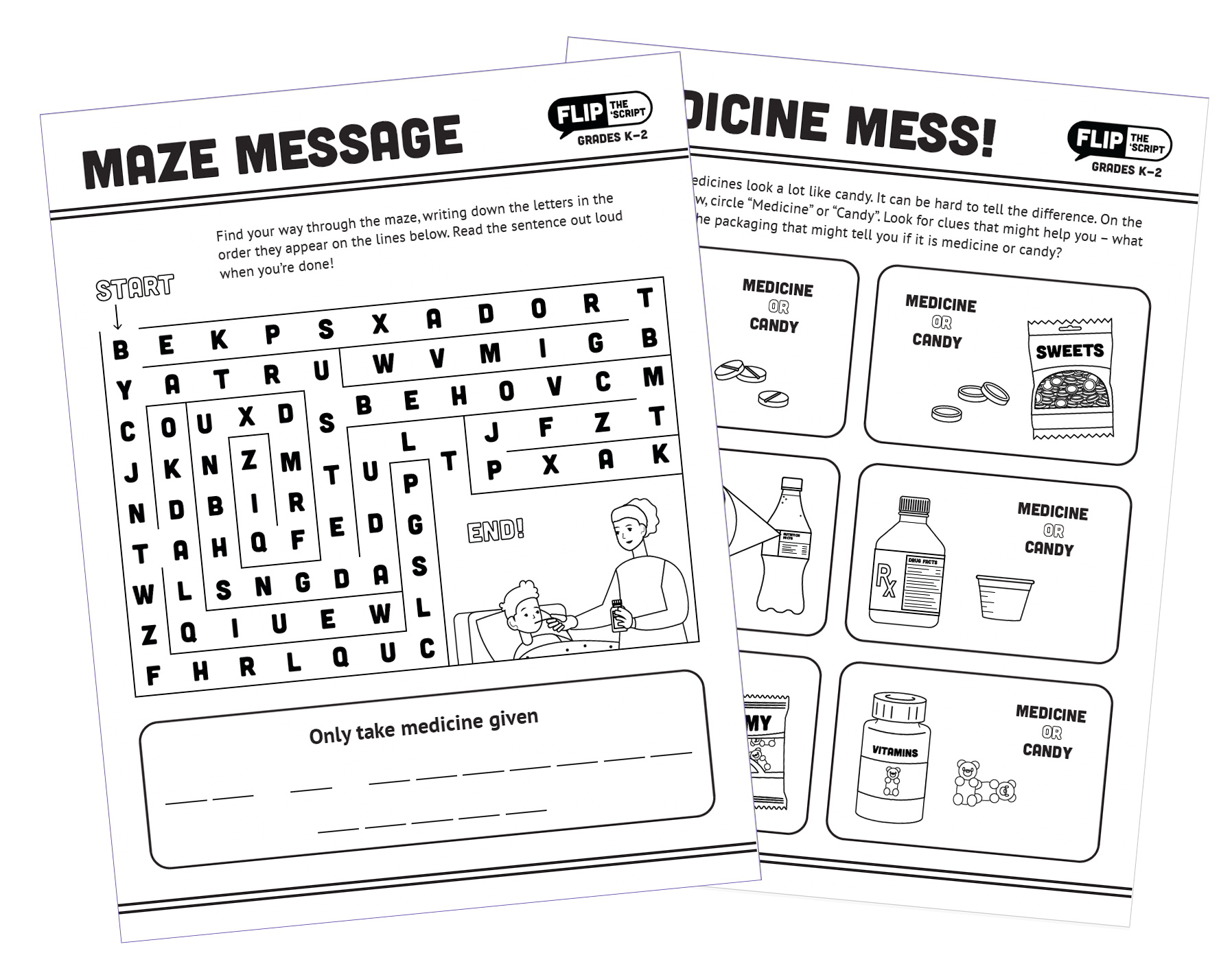
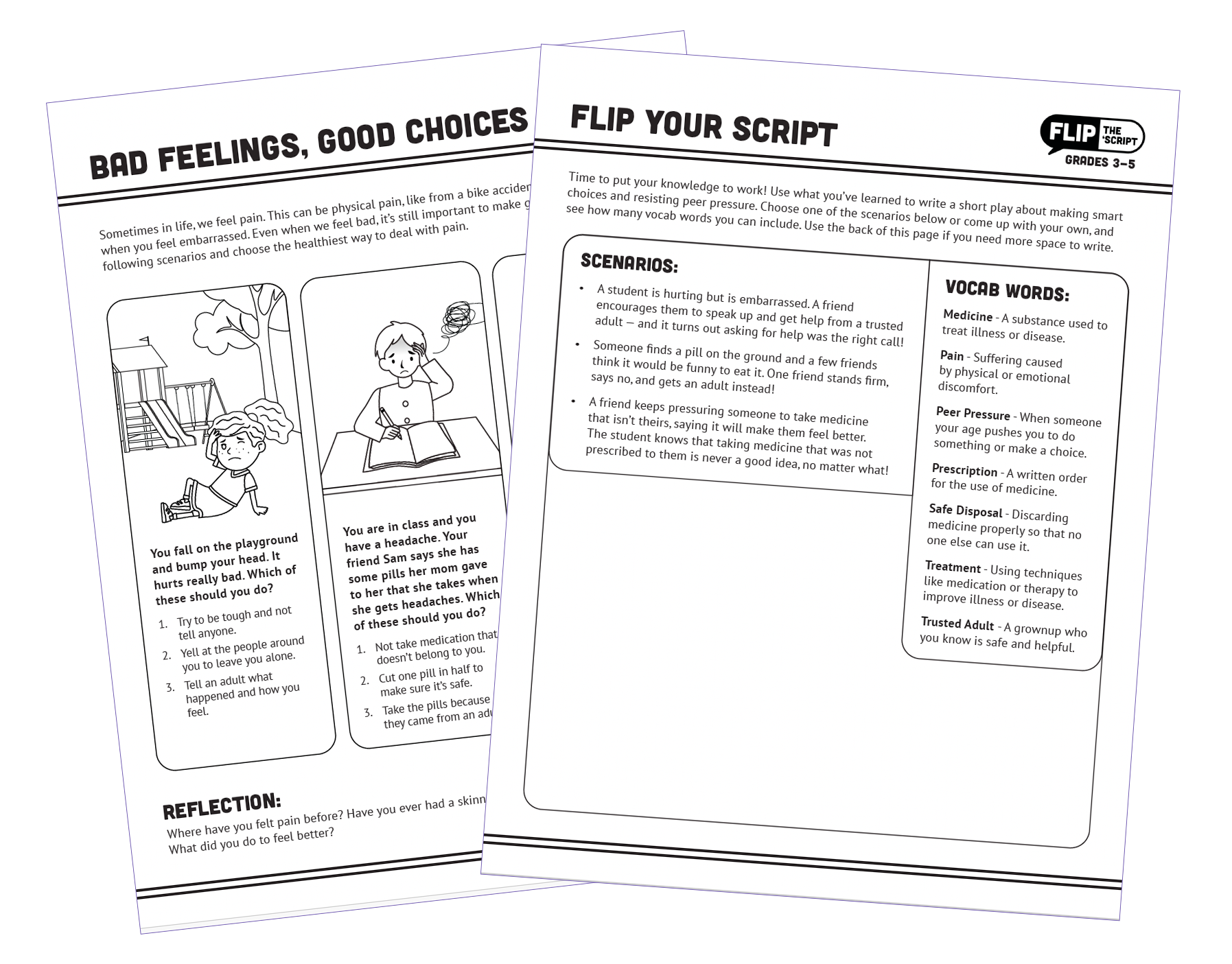
The Flip the ‘Script program for elementary students leverages social norming and arts-integrated learning through a memorable, story-based performance delivered through an all-school assembly format. The live event is followed by age-appropriate, teacher-led classroom lessons and supporting educational materials.
These materials include further lessons that support social emotional development and include story-based videos and arts-integrated activities to reinforce each educational point and build a stronger resiliency foundation for students.
The elementary program is split into two grade bands, Grades K-2 and Grades 3-5. It is based on social-emotional learning and age-appropriate perspectives on drug use.